
Paws-itively Fresh DIY Dental Chews for Dogs to Stop the Stink
Your Dog’s Teeth Are in Trouble (And You Probably Don’t Know It Yet)
diy dental chews for dogs are one of the easiest, most affordable ways to fight plaque, freshen breath, and protect your pup’s long-term health — all with ingredients from your kitchen.
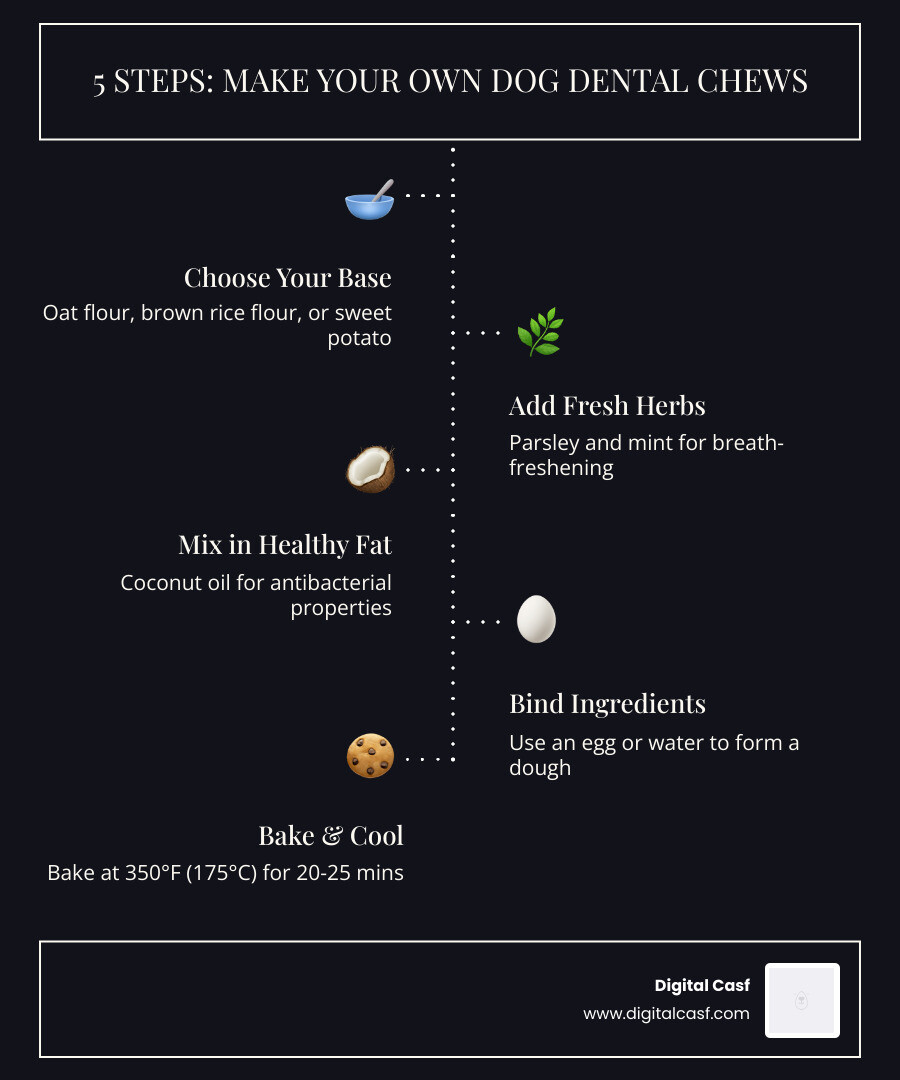
Here’s a quick overview of how to make them:
- Pick your base — oat flour, brown rice flour, or sweet potato
- Add breath-freshening herbs — parsley and mint are top choices
- Mix in a healthy fat — coconut oil works great for its antibacterial properties
- Bind it together — use an egg or water to form a dough
- Bake at 350°F (175°C) for 20–25 minutes until firm, then cool completely before serving
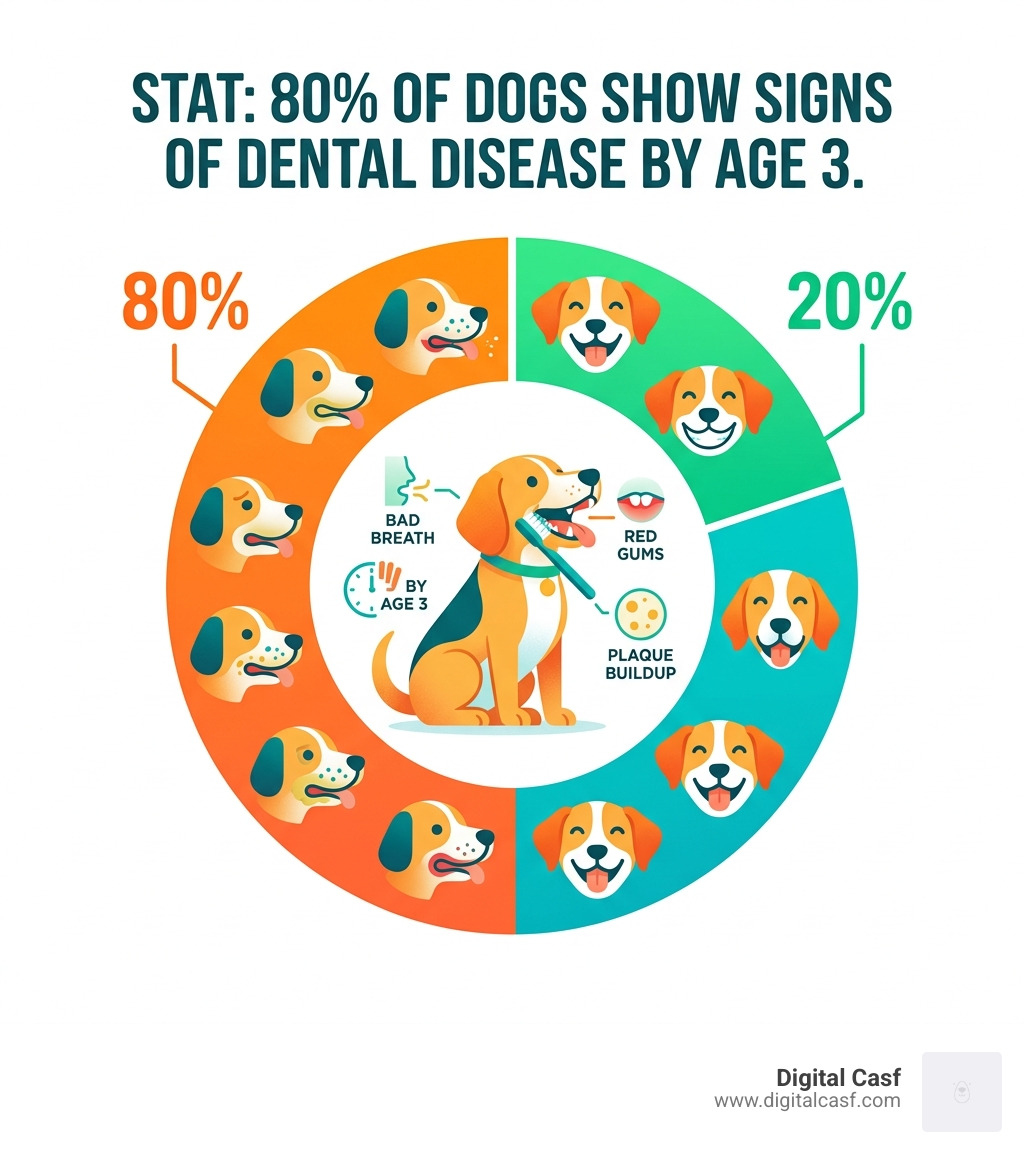
Here’s a fact that surprises a lot of dog owners: dental disease can start in dogs as early as three years old. Left untreated, it doesn’t just cause bad breath and tooth loss — it can lead to serious conditions like heart disease, liver disease, and diabetes.
Most of us aren’t brushing our dogs’ teeth every day. That’s just real life. But that doesn’t mean your dog’s mouth has to suffer.
The good news? You don’t need expensive commercial products loaded with mystery ingredients. A few simple, natural items from your pantry can go a long way toward keeping your dog’s teeth clean — and if you care about sustainability, making your own chews means less plastic packaging and full control over what goes into your pet’s body.
This guide walks you through everything: why it matters, what ingredients to use, and exactly how to make safe, effective dental chews at home.
Why Choose DIY Dental Chews for Dogs?

When we look at the shelves of a typical pet store in April 2026, we see dozens of “dental sticks” wrapped in single-use plastic. While convenient, many of these commercial products contain synthetic dyes, artificial sweeteners, or preservatives that we might not want our furry friends to ingest daily.
Choosing to make diy dental chews for dogs offers a triple win: it’s better for your dog’s health, easier on your wallet, and significantly more sustainable for the planet.
The Power of Natural Ingredients
By making your own treats, you ensure every bite is chemical-free. We focus on two types of cleaning:
- Mechanical Cleaning: The physical act of chewing on a firm surface (like a dehydrated sweet potato or a crunchy biscuit) helps scrape away plaque and tartar from the surface of the teeth.
- Antibacterial Support: Ingredients like coconut oil contain lauric acid, which acts as a natural antibacterial and antifungal agent. When your dog chews, these healthy fats help reduce the oral bacteria that cause decay and “doggy breath.”
According to the Healthy Homemade Treats with Benefits: Dental Health guide, ingredients like carrots and apple slices provide a crunchy texture that helps remove plaque naturally.
Benefits of Specific Ingredients in DIY Dental Chews for Dogs
We don’t just pick ingredients because they taste good; we choose them for their specific dental benefits:
- Parsley and Mint: These are nature’s breath fresheners. Parsley is also a source of antioxidants, while mint can aid in digestion.
- Sweet Potato: When dehydrated, it becomes incredibly chewy, providing a long-lasting mechanical “scrub” for the teeth and gums.
- Diatomaceous Earth (Food Grade): Some advanced recipes use a tiny amount of this to act as an ultra-fine abrasive to help polish teeth.
- Activated Charcoal: This can help absorb toxins and neutralize odors in the mouth.
- Probiotics (via Plain Greek Yogurt): Healthy bacteria in the mouth and gut can reduce the population of bad, odor-causing bacteria.
Sustainability and Your Dog’s Dental Routine
At Digital Casf, our mission is “Caring for Pets, Caring for the Planet.” When you make diy dental chews for dogs, you are participating in a zero-waste lifestyle.
- Organic Ingredients: Buying organic, locally sourced produce reduces the carbon footprint of your pet’s diet.
- Plastic-Free Storage: Instead of buying a new plastic bag every week, you can store your homemade treats in reusable glass jars or compostable containers.
- Bulk Buying: Buying flour or oats in bulk reduces packaging waste.
5 Simple Recipes for DIY Dental Chews for Dogs
Making these treats doesn’t require a culinary degree. Most of these recipes take less than 15 minutes of active prep time. To ensure success, always aim for a firm, crunchy texture; the harder the biscuit (within reason), the better it is for scraping teeth.
1. The “Carrot Toothbrush” and Other Raw DIY Dental Chews for Dogs
This is the ultimate low-effort recipe.
- The Method: Peel large, whole carrots and soak them in low-sodium bone broth for an hour. Place them on a tray and freeze them solid.
- Why it works: The frozen carrot provides a hard, abrasive surface that dogs love to gnaw on. As the carrot “shaves” off, it cleans the gum line.
- Raw Bones: You can also use raw, uncooked bones (like beef marrow bones). Raw bones are nature’s toothbrush, but they must be uncooked to avoid splintering.
- Apple Slices: These are naturally fibrous and help clean teeth as the dog chews. Just remember to remove all seeds and the core!
2. Frozen Breath Mints and Apple Froyo
Perfect for a warm afternoon, these treats focus on cooling hygiene.
- Ingredients: 1 cup plain Greek yogurt, a handful of fresh mint, a handful of parsley, and 1/2 a green apple (finely chopped).
- Instructions: Blend the herbs and yogurt, fold in the apple, and pour into silicone molds. Freeze for at least 4 hours.
- Sustainability Tip: Use silicone molds instead of plastic ice cube trays to reduce plastic degradation over time.
3. Baked Sweet Potato and Turmeric Sticks
These are great for dogs who need a long-lasting chew.
- Ingredients: 2 large sweet potatoes and 1 tablespoon of “Golden Paste” (turmeric mixed with coconut oil).
- Instructions: Slice the sweet potatoes into 1/2 inch thick strips. Coat lightly in the turmeric/oil mixture. Bake at a very low temperature (around 250°F / 120°C) for 3 hours, turning halfway through.
- Benefit: This dehydrates the potato into a tough, leathery “jerky” that provides excellent mechanical cleaning and anti-inflammatory benefits for the gums.
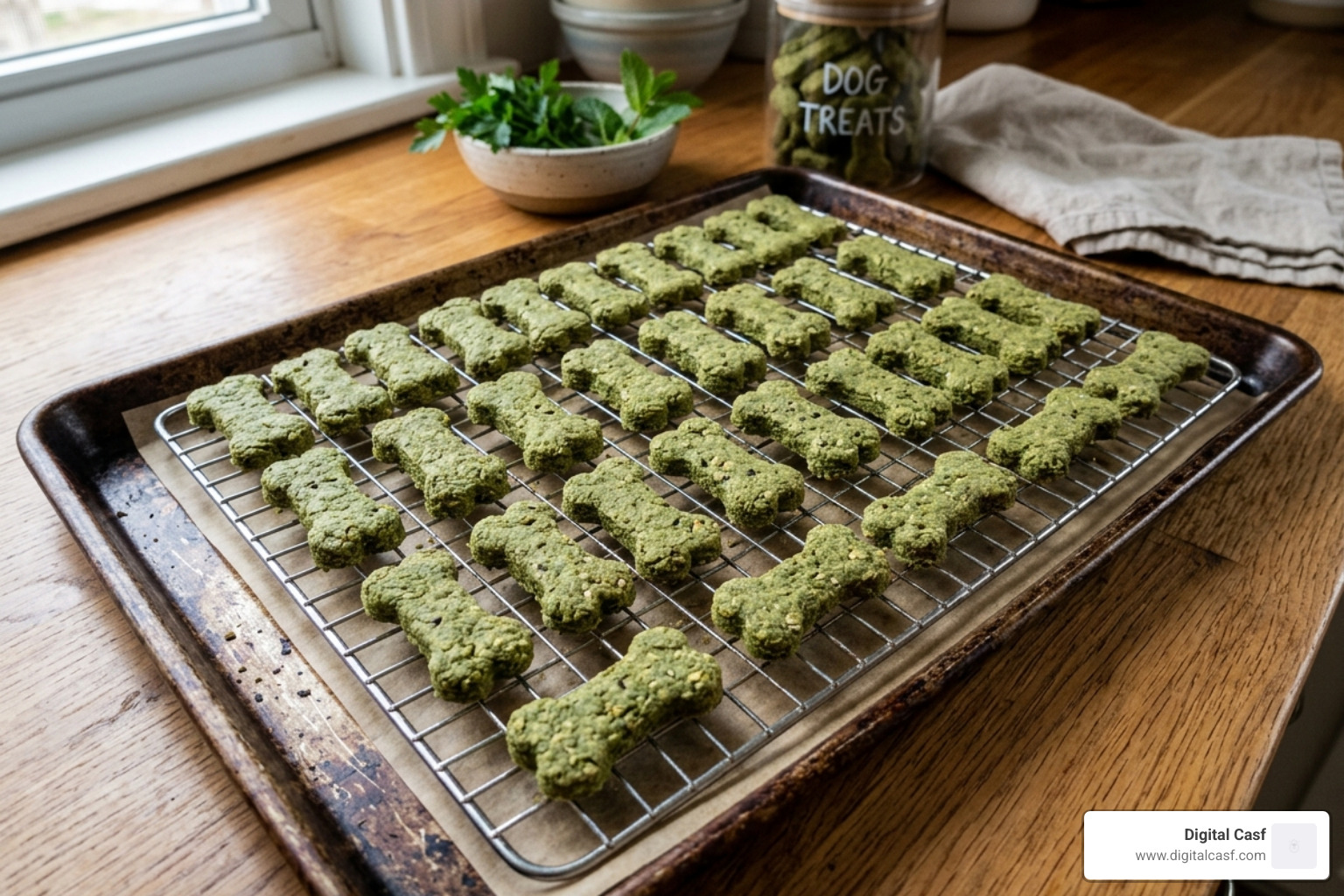
4. Homemade Green Biscuits
For a more traditional biscuit, these “Greenies” alternatives are a hit.
- Ingredients: 2 cups oat flour, 1/2 cup finely chopped parsley and mint, 1 egg, and 2 tablespoons of coconut oil.
- Instructions: Mix ingredients into a stiff dough. Roll out to 1/4 inch thickness and cut into bone shapes. Bake at 350°F (175°C) for 25-30 minutes until very hard.
- Tip: If the dough is too sticky, add a little more flour. The goal is a dry, crunchy biscuit.
5. Pumpkin Dental Biscuits
Pumpkin is fantastic for digestion and provides essential vitamins.
- Ingredients: 1/2 cup pumpkin puree (not pie filling!), 1 egg, and 2 cups whole wheat or brown rice flour.
- Instructions: Mix and bake similarly to the green biscuits. The fiber in the pumpkin and the grit of the flour help with plaque removal.
- Reference: For more variety, check out these 5 Homemade Doggy Dental Treat Recipes.
Safety First: Precautions and Toxic Ingredients
While diy dental chews for dogs are generally safe, we must be vigilant about what goes into them. Not all “healthy” human foods are safe for canines.
The Xylitol Danger
Never use artificial sweeteners. Xylitol (often labeled as birch sugar) is extremely toxic to dogs and can be found in some peanut butters or yogurts. Always check the label of every ingredient you use.
The Parsley Rule
There is a big difference between types of parsley.
- Curly Parsley: Safe and healthy in moderation.
- Italian (Flat Leaf) Parsley: Can be toxic in large amounts.
- Caution: Avoid giving parsley to pregnant dogs or dogs with kidney disease, as it acts as a diuretic.
Choking Hazards and Size
Always supervise your dog when they are enjoying a chew, especially if they are “gulpers.” Ensure the size of the chew is appropriate for your dog’s breed. A chew that is too small for a large dog can be swallowed whole, leading to an emergency.
When to Introduce Chews to Puppies
Most vets recommend waiting until a puppy is at least six months old before introducing hard dental chews. This is when their adult teeth have fully emerged. Giving very hard chews to a puppy with baby teeth can cause fractures or damage the developing adult teeth underneath.
Monitoring for Adverse Reactions
Whenever you introduce a new ingredient—like coconut oil or turmeric—start small. Watch for:
- Digestive Upset: Diarrhea or gas.
- Allergies: Itching, red skin, or swelling.
- Vomiting: If your dog’s stomach isn’t used to the rich fats in coconut oil.
If you are unsure, we always recommend you consult a vet before starting a new homemade treat regimen.
Storage and Routine: Keeping the Sparkle Alive
Since homemade treats don’t have the chemical preservatives found in store-bought bags, they require a little extra care to stay fresh.
Storage Tips
- Airtight Containers: Use glass jars with a silicone seal to keep moisture out.
- Refrigeration: Baked biscuits can last about a week on the counter, but 2-3 weeks in the fridge.
- Freezing: You can freeze a large batch of biscuits and just take out what you need for the day.
- Mold Inspection: Always check for fuzzy spots or a sour smell before feeding. Homemade treats can spoil faster than you think!
Making it a Routine
For the best results, consistency is key. We suggest:
- One Per Day: Generally, one dental chew per day is the gold standard for maintaining oral health.
- Calorie Counting: These treats have calories! If you give a large dental biscuit, reduce your dog’s dinner portion slightly to prevent weight gain.
- Acceptance Tips: If your dog is picky, try dipping the edge of the chew in a tiny bit of xylitol-free peanut butter or low-sodium bone broth to get them interested.
For more detailed recipes and preparation methods, you can explore Homemade Dog Dental Chews Recipes | DIY Dental Sticks for Dogs.
Frequently Asked Questions about Dog Dental Health
How often should I give my dog a dental chew?
We recommend one dental chew per day. This provides a consistent mechanical cleaning that prevents plaque from hardening into tartar. If your dog is prone to weight gain, you might opt for “zero-calorie” options like frozen carrots more frequently than baked biscuits.
Are homemade dental chews as effective as professional cleanings?
While diy dental chews for dogs are an excellent preventative tool, they are not a substitute for professional veterinary care. Think of chews as “brushing and flossing” for dogs. Even if we brush our teeth every day, we still need the dentist for a deep clean once a year. Dogs are the same!
What ingredients should I absolutely avoid in DIY treats?
Beyond Xylitol, avoid grapes/raisins, onions, garlic, macadamia nuts, and excessive salt or sugar. Also, avoid cooked bones of any kind, as they become brittle and can pierce your dog’s digestive tract.
Conclusion
Keeping your dog’s smile bright doesn’t have to be a chore or a drain on the planet’s resources. By spending a little time in the kitchen making diy dental chews for dogs, you are taking a proactive step in extending your pet’s life and improving their daily comfort.
The best dental plan is a multi-layered one:
- Daily: A DIY dental chew or a quick tooth brushing session.
- Weekly: A check of the gums for redness or bad odors.
- Annually: A professional dental exam by your veterinarian.
By choosing natural, sustainable ingredients, you’re not just caring for your pet—you’re caring for the world they love to run in. For more tips on how to integrate eco-friendly practices into your pet care routine, visit our More info about our eco-friendly pet mission.
Happy baking, and here’s to many years of fresh, stinky-free doggy kisses!
